Operating hours: Monday through Friday, 7:30 AM to 3:30 PM.
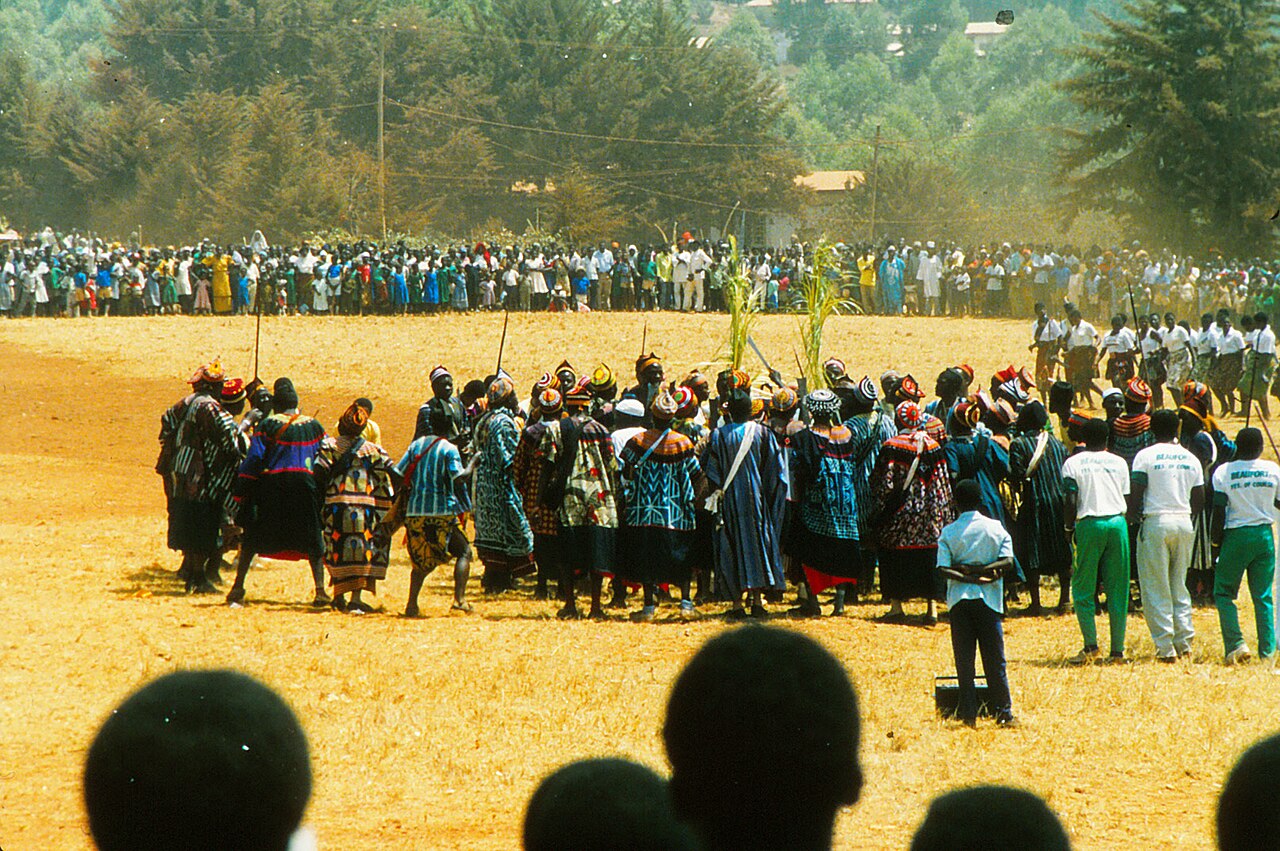
The area of present-day Nkambe was inhabited by the Wimbum people, organized into villages and chiefdoms governed by traditional authorities. Social life was based on customary laws, agriculture, and livestock farming.
Nkambe came under German colonial influence, with limited administrative penetration. Traditional authorities continued to manage local affairs under indirect colonial control.
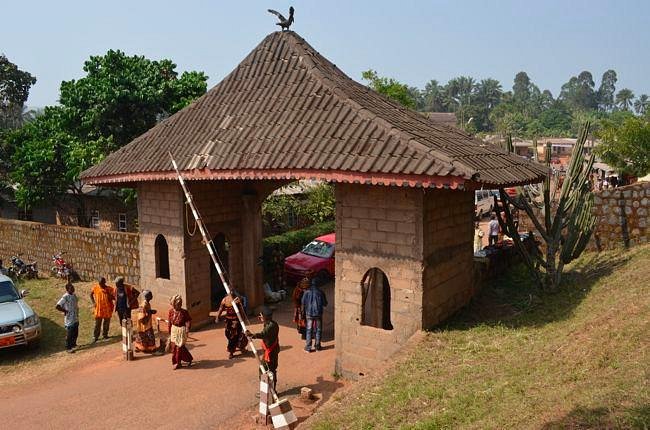
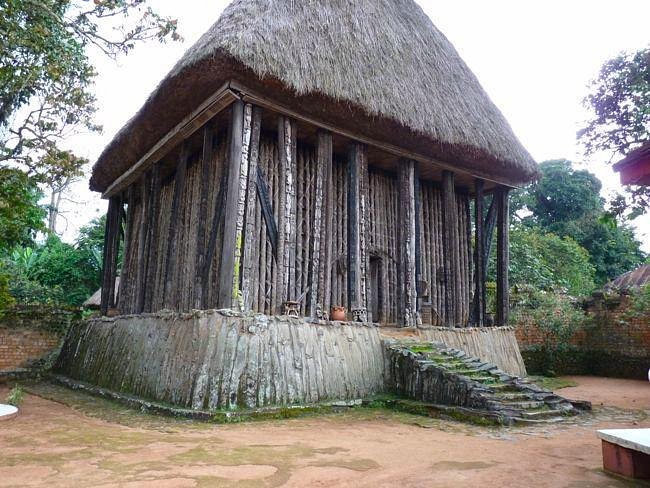
After World War I, Nkambe became part of British Southern Cameroons. 1946: Creation of Nkambe as an administrative unit by ordinance from Lagos 1948: Nkambe became fully operational as a Divisional Headquarters and Native Authority Council
Following the 1961 plebiscite, Nkambe joined the Federal Republic of Cameroon as part of West Cameroon. Local governance structures were strengthened and public services expanded.
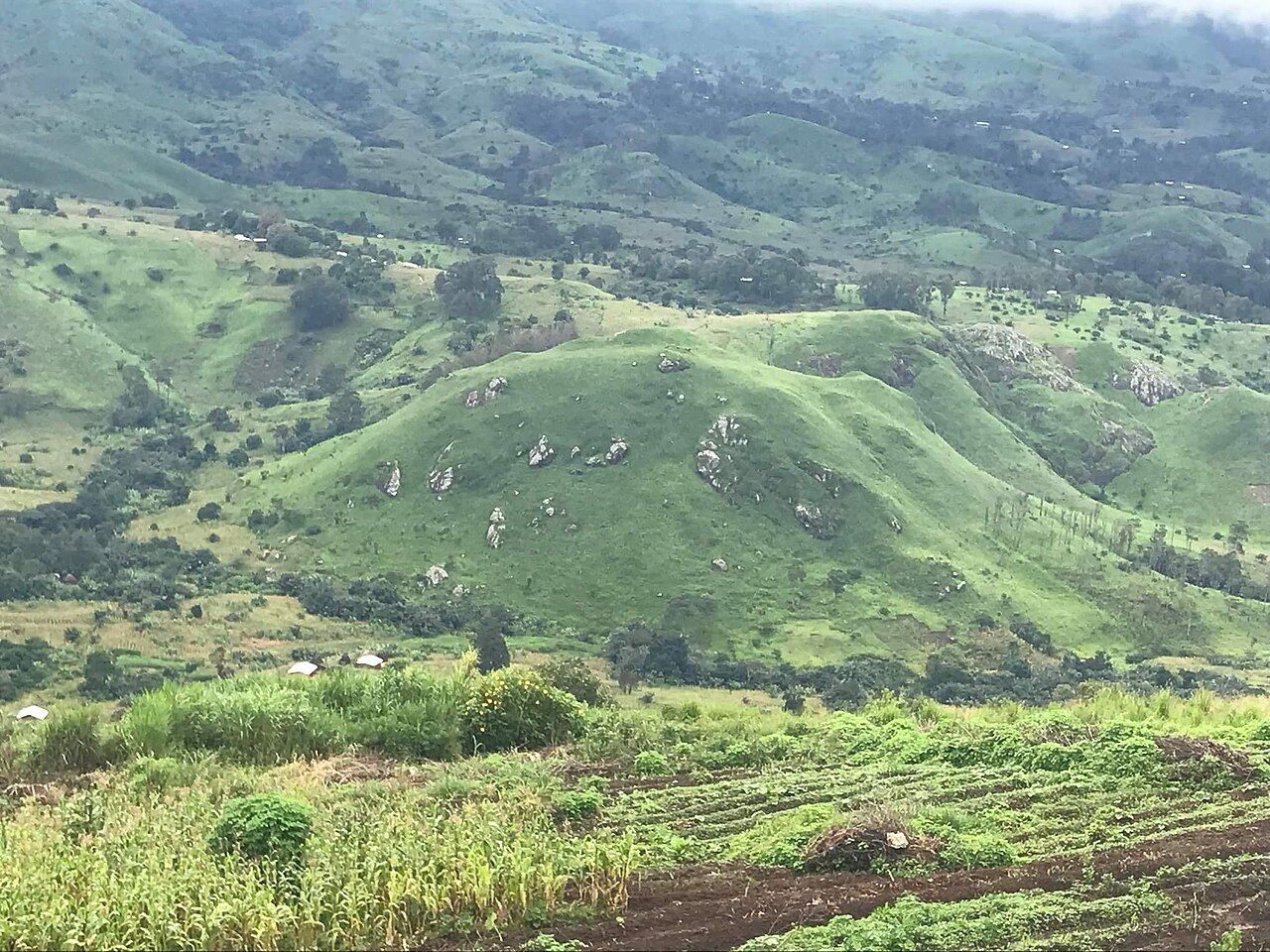
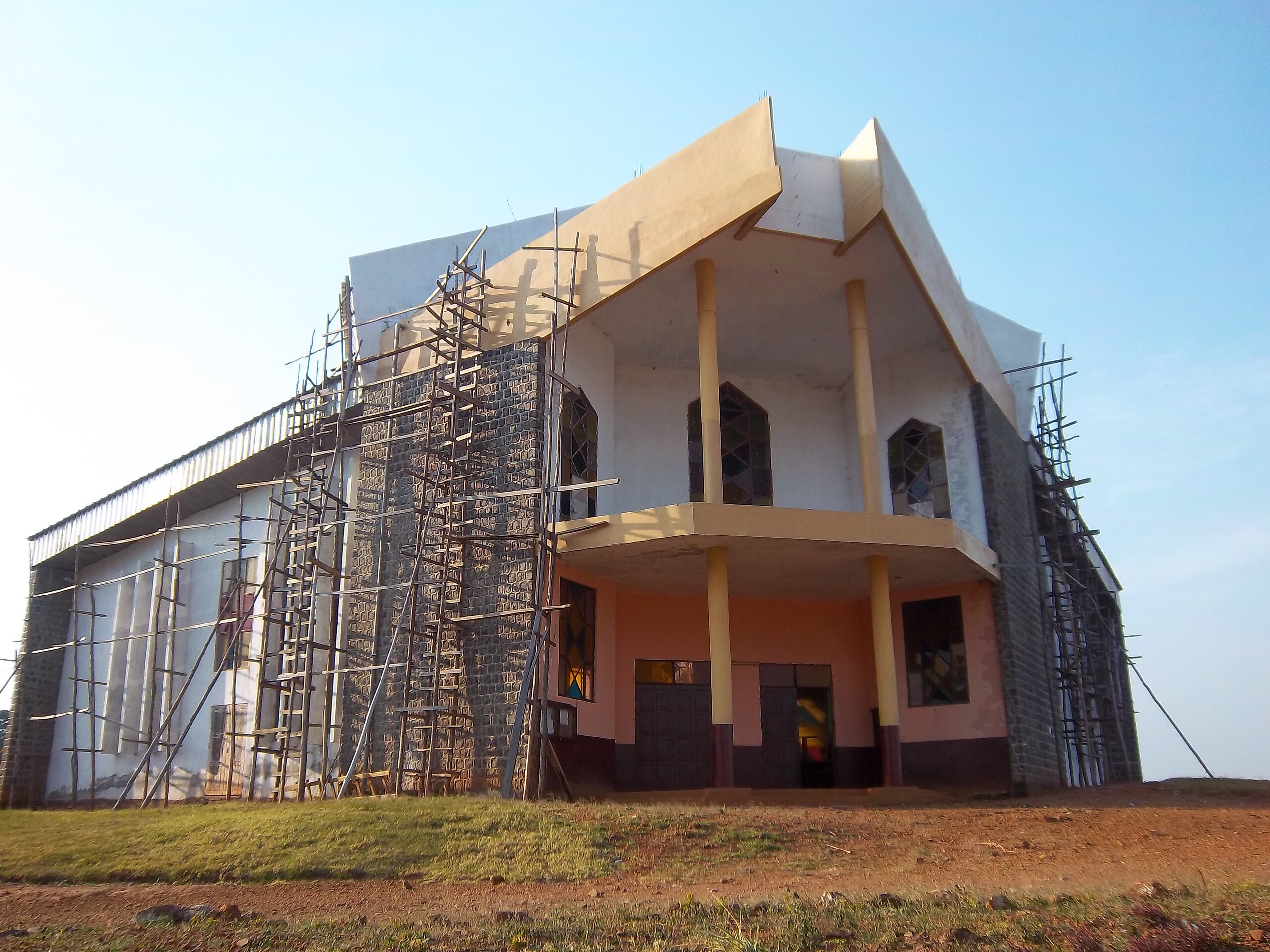
After the 1972 referendum, Nkambe operated as a Rural Council, focusing on rural development, agriculture, and basic infrastructure.
With the 1996 Constitution, Nkambe evolved into a modern decentralized council with expanded responsibilities in local development, governance, and service delivery. The Council adopted participatory planning through its Council Development Plan (CDP).